

Soft Tissue Biomechanics
Research Applications


Research Application Areas in Soft Tissue Biomechanics
Bone Tissue Engineering & Mechanics
Research applications involving mechanical testing of mineralizing constructs and osteogenic biomaterials.
Cardiac Tissue Engineering & Mechanics
Research applications related to mechanical testing of engineered myocardium, cardiac patches, and cardiac disease models under cyclic loading.
Cartilage & Meniscus Mechanics
Research applications focused on mechanical testing of cartilage-like tissues and osteochondral interfaces.
Dental & Oral Tissue Biomechanics
Research applications involving mechanical testing of dentin, enamel, periodontal tissues, oral mucosa, and dental biomaterials.
Gastrointestinal & Urinary Tract Biomechanics
Research applications related to mechanical testing of compliant, layered hollow organs.
Heart Valve Tissue Engineering & Mechanics
Research applications involving biaxial and flexural testing of native and engineered heart valve tissues.
Intervertebral Disc Biomechanics
Research applications involving mechanical testing of disc tissues and spine models under multi-axial loading.
Lung & Pleural Tissue Biomechanics
Research applications related to mechanical testing of highly compliant lung and pleural tissues.
Show more
Musculoskeletal Tissue Engineering & Mechanics
Research applications involving mechanical testing of engineered tendon–bone interfaces, muscle constructs, and composite tissues.
Ophthalmic Biomechanics & Corneal Tissue Engineering
Research applications related to mechanical testing of corneal and scleral tissues.
Pelvic Floor & Gynecological Biomechanics
Research applications involving soft tissue mechanical testing of pelvic support structures.
Peripheral Nerve Regeneration & PNS Mechanics
Research applications involving low-force mechanical testing of nerve tissues and guidance conduits.
Reproductive & Fetal Membrane Mechanics
Research applications involving tensile, puncture, and peel testing of thin biological membranes.
Skeletal Muscle & Volumetric Muscle Loss
Research applications related to mechanical testing of engineered muscle tissues and regenerative repair systems.
Skin & Wound Healing Biomechanics
Research applications involving mechanical testing of skin, scar tissue, and wound healing models.
Tendon Tissue Engineering & Ligament Mechanics
Research applications involving tensile and fatigue testing of tendon and ligament tissues.
Vascular Tissue Engineering & Mechanics
Research applications involving mechanical testing of vascular tissues and engineered grafts under cyclic loading.
Soft Tissue Biomechanics and Tissue
Engineering Biomechanics
Soft tissue biomechanics investigates how biological tissues resist, transmit, and dissipate mechanical loads across structural hierarchies. Collagen and elastin networks, proteoglycan-rich matrices, cellular remodeling processes, and regional heterogeneity collectively govern macroscopic tissue behaviour.
Tissue engineering biomechanics research applications involve mechanical testing of engineered tissues during development and conditioning. Measurements collected using a biomechanical testing system are used to compare engineered constructs with native tissue mechanics, in regenerative medicine biomechanics studies for example.
Common Mechanical Questions Addressed
Across organ biomechanics and regenerative medicine biomechanics, soft tissue mechanical testing is used to examine:
- Stiffness, compliance, and nonlinear stress–strain response
- Direction-dependent anisotropy in collagenous tissues
- Viscoelastic tissue behaviour, including creep and stress relaxation
- Cyclic loading response, fatigue, and damage accumulation
- Structure–function relationships observed during development, injury, and repair
These questions are addressed using controlled soft tissue mechanical testing under defined loading conditions.
Importance of Mechanical Testing in Soft Tissue Biomechanics Research
Mechanical testing is commonly used in studies of soft tissue biomechanics and biological tissue mechanics to describe how native and engineered tissues respond to applied loading under controlled conditions.
Typical measurements and analyses include:
- Tissue stiffness and strength under physiologic strain ranges
- Direction-dependent response and mechanical anisotropy
- Viscoelastic tissue behaviour, including creep and stress relaxation
- Cyclic loading response associated with fatigue and remodeling
- Comparisons between engineered constructs and native tissue mechanics
- Regional variability and stiffness gradients within complex tissues
These measurements are often collected using a biomechanical testing system and are applied across tissue engineering and regenerative medicine biomechanics research to support experimental comparison and modeling efforts.
Mechanical Testing Methods Commonly Used in Soft Tissue Biomechanics
Common mechanical testing methods referenced in soft tissue biomechanics research include:
Tensile Testing
Used in studies involving soft tissues, scaffolds, and engineered constructs under uniaxial and biaxial loading
Compression Testing
Used for bulk tissue and biomaterial testing under compressive strain
Fatigue Testing
Used in studies involving repeated loading conditions
Pressure Testing
Used for testing tubular tissues and pressurized biomaterial systems
Digital Image Correlation (DIC)
Used for full-field strain measurement in soft tissues and biomaterials
CellScale Systems for Soft Tissue Mechanical Testing
UniVert
Uniaxial and multi-axis mechanical testing of soft tissues, hydrogels, and engineered constructs to quantify stiffness, strength, and time-dependent behaviour.
BioTester
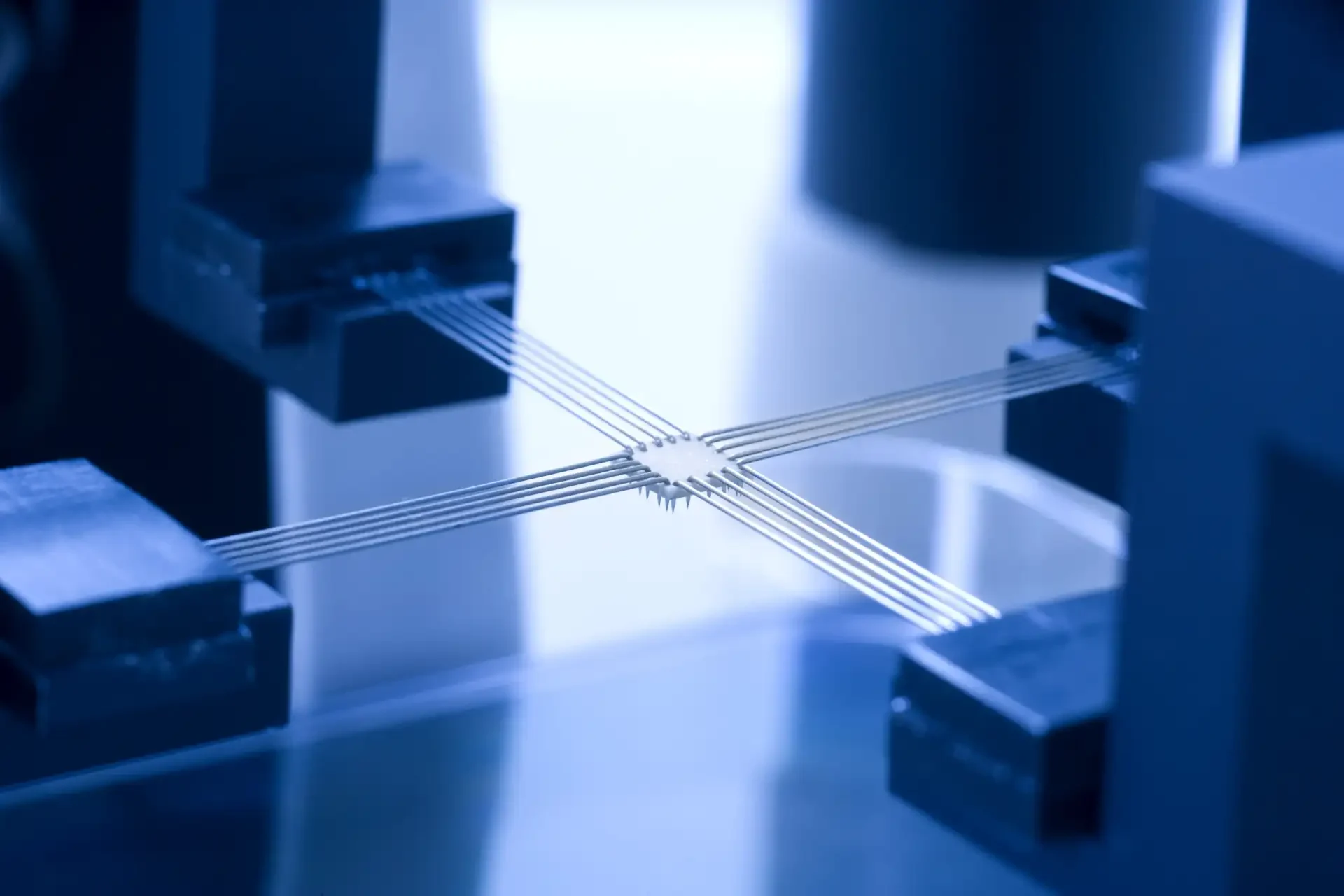
Biaxial mechanical testing of soft tissues and planar constructs to characterize anisotropy, nonlinear mechanics, and physiologically relevant loading responses.
MechanoCulture T6
Uniaxial tensile stretch stimulation of engineered tissues and scaffolds during culture to study remodeling, maturation, and load-driven adaptation.